

Whether you’re facing overwhelming emotions or confronting challenging situations, distress tolerance can empower you to choose less harmful coping strategies and proceed without making anything worse.
DBT teaches us the tools and skills to learn and practice distress tolerance even when our emotions feel overwhelming. At the very start of my DBT journey, it was what I needed the most. The more I healed, the less I needed these skills. But they still come in useful sometimes. So I thought I’d share a little more about how to learn and work on the DBT Distress Tolerance module and what it teaches us.
What is DBT Distress Tolerance?
Distress Tolerance is one of the four core modules of DBT, the other three being:
- Mindfulness skills
- Emotional regulation skills
- Interpersonal effectiveness skills
Distress tolerance skills and strategies are aimed at helping individuals cope with intense emotions and distressing situations without resorting to harmful behaviours. The module emphasises acceptance of reality and finding healthier ways to manage difficult emotions rather than trying to avoid or suppress them.
DBT Distress Tolerance teaches individuals to tolerate distressing emotions and situations by utilising a variety of techniques, such as mindfulness, self-soothing, and crisis survival strategies. These skills help individuals navigate challenging moments without escalating the intensity of their emotions or engaging in destructive behaviours.
How To Learn Distress Tolerance Skills in DBT
Learning distress tolerance in DBT isn’t about mastering everything at once, it’s about building a sort of resilience to distress, one skill at a time. The most effective way to start is by approaching the process with curiosity, patience, and a willingness to practice even when it feels unnatural at first.
In therapy or group sessions, you’ll likely begin by exploring when and why distress tolerance skills are useful — which helps you start spotting those moments in your own life. From there, you gradually experiment with different tools, noticing which ones feel most accessible to you when your emotions are running high. It’s not about doing them “perfectly” but about trying them out before you need them in a crisis.
Keeping a practice log or journal can help you track what works and what doesn’t. Some people create “crisis kits” or plan out go-to coping strategies in advance — not because they always need them, but because practicing them when calm makes it easier to access them when overwhelmed.
The real learning comes through repetition. Using the skills in small, everyday stressors trains your nervous system for bigger challenges. Over time, you begin to notice a shift: that moment of pause before reacting, that choice to do something different. That’s where the growth happens.
6 Core DBT Distress Tolerance Skills
Accepting Reality
The first step in mastering distress tolerance is accepting reality as it is, rather than resisting or denying it. This fundamental shift in mindset allows us to acknowledge and validate our experiences without adding unnecessary suffering.
By embracing the present moment with openness and acceptance, we free ourselves from the grip of unhelpful thoughts and emotions, paving the way for greater peace and serenity.
💡 Note: This does not mean we have to like or do nothing about the current situation we are in. In fact, accepting reality as it is allows us to then mindfully choose what we do with that information next in line with the facts of what is currently happening around and within us.
Self-Soothing Techniques
When the waves of distress threaten to overwhelm us, self-soothing techniques offer a lifeline of comfort and solace. From indulging in sensory pleasures to creating a cosy sanctuary of relaxation, there are countless ways to nurture and soothe ourselves in times of need.
Whether it’s savouring a warm cup of tea, taking a leisurely stroll in nature, or wrapping ourselves in a soft blanket, self-soothing practices remind us that we are worthy of kindness and care.
Learn more: How to self-soothe
Improving the Moment
Sometimes, the key to mastering distress tolerance lies in simply improving the moment we are in, thereby reducing our distress. By shifting our focus towards what is pleasant, meaningful, or within our control, we can find refuge from the storm and rediscover moments of joy and contentment.
As with many skills in DBT, improving the moment also comes with its own acronym:
Imagery
Meaning
Prayer
Relaxation
One thing at a time
Vacation
Encouragement
Whether it’s immersing ourselves in a favourite hobby, connecting with loved ones, or basking in the beauty of nature, finding ways to enhance the present moment can provide much-needed respite from distress.
Using Pros and Cons
The pros and cons skill offers a practical framework for evaluating the consequences of acting on distressing impulses. By weighing the short-term relief against the long-term consequences, we can make more informed decisions that align with our values and goals.
This mindful approach to decision-making empowers us to resist impulsive urges and choose responses that serve our highest good in the long run.
In relation to distress tolerance, DBT Self Help says:
“In other words, it’s the pros and cons of tolerating the distress of a situation and the pros and cons of not tolerating the distress of a situation. When examining the pros and cons, you are looking at the consequences of potential actions.”
TIPP Skills
In moments of intense distress, the TIPP skills offer a lifeline of support, providing quick and effective strategies for regulating overwhelming emotions. The TIPP skill is as follows:
Temperature
Intense exercise
Paced breathing
Paired muscle relaxation
From adjusting our body temperature to engaging in intense exercise, paced breathing, and muscle relaxation, these simple yet powerful techniques can help us regain a sense of control and equilibrium when emotions run high.
Crisis Survival Strategies
In times of extreme distress, having a toolbox of crisis survival strategies can be a lifesaver. From creating a safety plan to reaching out for support from trusted friends, family members, or mental health professionals, knowing how to navigate crises effectively can make all the difference in our ability to weather life’s storms.
Remember, it’s okay to ask for help when you need it, and you are never alone in your journey towards healing and resilience.
How To Master Distress Tolerance in DBT
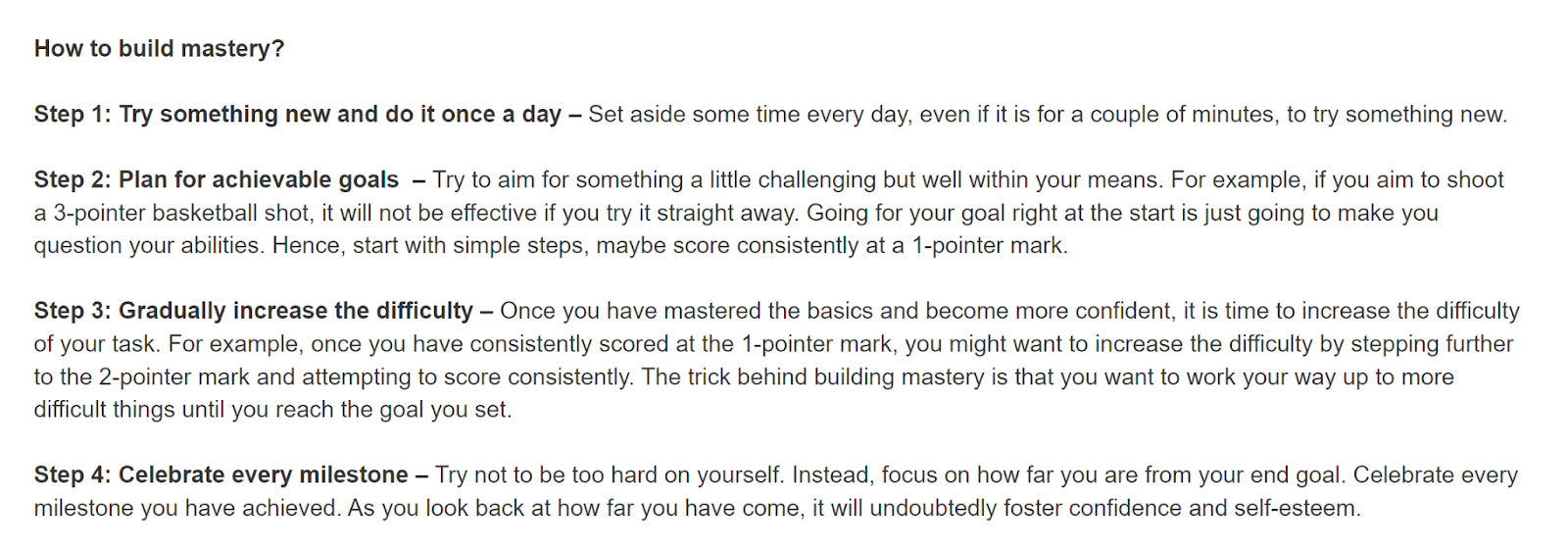
So, using the DBT concept of building mastery, how can we “master” distress tolerance in Dialectical Behaviour Therapy? Well, with practice.
To build mastery in distress tolerance skills, we have to use them. Even when we don’t want to, and when we don’t feel like it—even when they seem stupid. I can’t guarantee that it will help straight away, but I can guarantee that, if you start choosing to use these skills in times of distress, they will eventually become easier to use.
That’s what building mastery is all about.
Here’s a quick step-by-step to building mastery by clinical psychologists at Annabelle Psychology.
Practicing Distress Tolerance With Mental Health Journaling
As we navigate the waters of distress tolerance, mental health journaling can help us to process our experiences, track our progress, and cultivate greater self-awareness.
Consider setting aside time each day to reflect on your coping strategies, jot down moments of mindfulness and gratitude, or explore your thoughts and emotions in greater depth. Journaling can be a powerful tool for integrating distress tolerance skills into your daily life and nurturing your emotional well-being.
If you’re living with BPD (Borderline Personality Disorder), CPTSD, or any other type of emotional dysregulation, my BPD journal prompts guide could be useful!
You Might Like: The Little Guide to DBT Mindfulness Skills


 Eliza Blooms
2 thoughts on “How To Learn Distress Tolerance in Dialectical Behaviour Therapy”