

Emotions are an integral part of the human experience; valuable signals that convey important information about our inner world and experiences. From joy and excitement to sadness, shame, and anger, each emotion has its own unique purpose and function. For some of us, emotions might feel particularly intense, or “dysregulated”.
For us lucky folks, while it sometimes feels like our emotions are working against us, learning to recognise, label, and work with our emotions is the first step towards effective emotional regulation. DBT mindfulness skills give us a great start for better emotional regulation, allowing us to start responding to our emotions in a healthy and more adaptive way. However, sometimes more specific skills may be needed to navigate the ups and downs of life, which is where emotional regulation skills come in.
In this article, I’ll give you a quick run through of the key techniques in DBT’s emotional regulation module, the 8 top skills it has to offer and, how to practice them more in daily life.
What is Emotional Regulation?
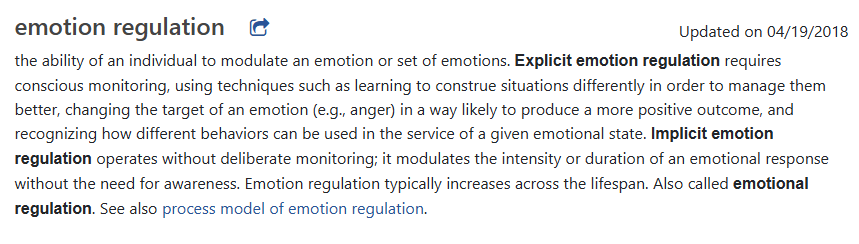
In a general sense, emotional regulation refers to the ability to effectively manage and modulate one’s emotions in response to internal and external situations. It involves recognising, understanding, and responding to emotions in a healthy and adaptive way, rather than being overwhelmed or controlled by the emotion and the impulses that accompany them.
What are Emotional Regulation Skills in DBT?
In DBT, Emotional Regulation is one of the four core modules of the skills training, along with Mindfulness, Interpersonal Effectiveness and Distress Tolerance. Within the emotional regulation module, 6 key skills are taught, but it’s more like 8 when you include the three differing skills in the ABC acronym. These emotional regulation skills include:
- Mindfulness of emotion
- Opposite action
- Problem-solving
- Checking the facts
- ABC (3 skills)
- Accumulate positive experiences
- Build mastery
- Cope ahead
- PLEASE
Practicing these skills gives us a specific set of techniques that we can use when we notice ourselves in emotion mind, or are feeling overwhelmed by our emotions. They help us stay on track and not give in to those annoying destructive urges.
8 Core DBT Emotional Regulation Skills
Let’s take a closer look at each individual skill covered in DBT’s emotional regulation module:
Mindfulness of Emotion
While I always think of this as a mindfulness skill, one skill that is taught in the emotional regulation module of DBT combines the core DBT mindfulness skills (WHAT skills & HOW skills) with specific emotional regulation techniques is the ‘Mindfulness of Emotion’ skill.
This skill involves becoming aware and accepting emotions as they arise, rather than trying to push them away or deny their presence.

Opposite Action
Opposite action is a powerful skill taught in DBT that involves acting opposite to the urges associated with intense emotions. When faced with emotions such as anger or fear, our instinct may be to withdraw or lash out. However, by consciously choosing to engage in behaviours that are opposite to any ineffective emotional urges, we create space for more adaptive responses that are more aligned with our long-term goals.
Problem-Solving Skills
Problem-solving skills offer a proactive approach to managing emotions by identifying and addressing underlying issues or stressors. Rather than simply reacting to emotional triggers, we can take an active role in finding solutions and making positive changes in our lives.
By breaking down problems into manageable steps and brainstorming potential solutions, we can regain a sense of control and agency over our circumstances.
Sometimes, our distress level might be so high that problem-solving isn’t immediately the most effective response, that’s when we might use distress tolerance skills instead, and come back to problem-solving when our emotions aren’t feeling as intense.
Check the Facts
Check the facts is a skill that encourages us to challenge distorted thinking patterns and examine the evidence for and against their beliefs. Often, our emotions are fueled by inaccurate or exaggerated perceptions (emotional myths) of reality.
By critically evaluating the facts and considering alternative perspectives, we can gain a more balanced and accurate understanding of the situation, reducing the intensity of our emotional reactions.
Additionally, once you’ve identified the facts of the current situation, you can assess if the intensity of the emotions you are experiencing fit these facts. This is not a judgement, simply an objective observation. MindSoother suggests the following question prompts we can use to check if our emotions and emotion intensity fit the facts of the current situation:
- What is the emotion I want to change?
- What is the event prompting my emotion?
- What are my interpretations and assumptions about the event? Do they fit the facts?
- Am I assuming a threat? Will it actually occur?
- What’s the disaster? How can I cope well with it?
- Does my emotion and/or its intensity fit the facts?
ABC
DBT loves an acronym, and in the emotional regulation module, ABC is one of them. The ABC part of the skill focuses on creating a life that feels more worth living — not just one you have to survive. These three skills help reduce emotional vulnerability over time, creating more positives, pleasures and honing skills in day-to-day life, while helping you plan ahead for the specific situations you know will be emotionally intense.
Accumulate Positive Experiences
Accumulate positive experiences by intentionally creating moments of joy, pleasure, or connection, even if they’re small. It could be your favourite food, a hot girl walk, a nice bath, or simply a morning coffee in the sun, just think about what makes you feel good. Create a list of your favourite small positive experiences and try to work some into your week.
Build Mastery
Building mastery involves engaging in activities that are meaningful and fulfilling to boost self-esteem and confidence. Whether it’s learning a new skill, pursuing a hobby, or tackling a challenging task, each small accomplishment reinforces our sense of competence and efficacy.
By investing in activities that bring us joy and a sense of meaning or satisfaction, we can build mastery that extends beyond this and gives us confidence to build other skills, like emotional regulation skills.
Cope Ahead
The cope ahead skill teaches us to mentally prepare for situations you expect to be stressful. It means visualising the event in full detail, identifying potential challenges, and deciding how you will respond in advance. Consider the details and sensations you might observe.
What challenges might arise? What skill could you use in the moment if they did? Write out your plan. You can even write general scripts for particularly challenging conversations or boundaries that might need to be set.
PLEASE
The PLEASE skill is another acronym, but all aspects of the skill tackle the same thing: physical health. It focuses on how taking care of your physical health can reduce vulnerability to emotional dysregulation. It non-judgmentally reminds us that if we’re not physically well, it can be harder to manage our emotions effectively.
PLEASE stands for:
- PL – Physical Illness: Treat illness or pain, take prescribed medication, attend appointments, and rest when unwell to avoid adding extra stress and emotional strain.
- E – Eat Balanced: Avoid extreme hunger or fullness, nourish your body gently. Stable blood sugar and regular meals help stabilise mood and energy.
- A – Avoid Intoxicating Substances: Reduce alcohol, drugs, or anything that impacts your emotional stability or reactivity. They might offer short-term relief but often worsen emotional vulnerability in the long term.
- S – Balance Sleep: Aim for a sleep routine and enough rest to restore you. Make time to rest before your body does it for you.
- E – Exercise: Move your body in ways that feel good and release stress. Even gentle movement can help regulate your nervous system and boost your mood.
You can use the PLEASE skill if you notice that you are feeling more emotionally vulnerable than usual, experiencing unexplained mood swings or increased emotional sensitivity.
Before jumping to unhealthy coping habits or getting caught up in a thought spiral, consider any physical vulnerabilities that might be affecting your current ability to regulate emotions, like illness, poor sleep, empty stomach, prolonged lack of movement, etc. This isn’t a judgment exercise. It’s understanding that vulnerability factors exist and it’s okay to be aware of them.
Emotional Regulation & Mental Health Journaling
As we cultivate emotional regulation skills, mental health journaling can serve as a valuable tool for reflection, self-discovery, and growth. Consider setting aside time each day to journal about your emotional experiences, exploring the effectiveness of different regulation techniques, and tracking your progress over time.
Here are some journal prompts to get you started:
- Observing Emotions: Reflect on a recent emotional experience and describe the emotions you felt. how they felt in your body and how intense they were. What thoughts or beliefs were associated with these emotions? Try to just notice and describe, not judge.
- Opposite Action: Think of a situation where you felt the urge to act impulsively based on your emotions. How might you have responded differently using the opposite action skill?
- Problem-Solving: Identify a current challenge or stressor in your life. What specific small steps can you take to address this issue before it becomes too distressing?
- Building Mastery: Set an aligned goal for yourself, whether it’s developing a new skill or completing a specific project. What small steps can you take to work towards this goal and build a sense of mastery?
What Next?
Emotional regulation isn’t about controlling every emotion you experience, it’s about learning how to stop your emotions controlling you; learning to pause, to notice, and to meet yourself where you are. Like any skill, it takes time, patience, and practice. Some days, these tools will feel powerful and accessible. Other days, you might forget everything you’ve learned, and that’s okay too.
Be gentle with yourself. You’re not broken for struggling with intense emotions, you’re human. These DBT skills are here to help you build a relationship with your emotional world that feels less like a battle and more like a gentle conversation.
Keep practicing, keep noticing, and remember: every small step counts. One day at a time. 🤍
You Might Like: The Little Guide to DBT Mindfulness Skills

Available for instant download today.
Emotional Regulation Skills FAQs
What is the ABC Model of CBT?
The ABC model provides a framework for understanding the interplay between events, thoughts, emotions, and behaviours. This particular model was created by Dr. Albert Ellis, a psychologist and researcher and is used in the Cognitive Behavioural Therapy (CBT) approach. The ABC model is as follows:
- Activating event
- Beliefs & interpretations of the event
- Consequences of emotional responses
By identifying the activating event, examining our beliefs and interpretations about the event, and exploring the consequences of our emotional responses, we can gain insight into the underlying factors driving our emotions and behaviours.
Note: The ABC model is similar to DBT’s “Chain Analysis” skill, but differs from the ABC skill taught in the emotional regulation model of DBT and covered in this guide, which is: Accumulate positive experiences, Build mastery, Cope ahead.

 Eliza Blooms
14 thoughts on “How To Build Emotional Regulation Skills Inspired By DBT”