
Dialectical Behaviour Therapy (DBT) is a highly effective approach for individuals struggling with emotional dysregulation and related challenges. However, accessing DBT within the UK’s healthcare system can be complex, with options available through both the National Health Service (NHS) and private healthcare providers.
In this article, I’ll delve into the process of accessing DBT in the UK, providing valuable insights and guidance for those seeking support.
Brief Summary of DBT & Who it is Suitable For
Dialectical Behaviour Therapy, commonly known as DBT, is a highly effective approach for individuals struggling with emotional dysregulation and related challenges. Developed by Dr. Marsha Linehan, DBT combines cognitive-behavioural techniques with concepts of mindfulness and acceptance.
DBT is often used as a method of treatment for Borderline Personality Disorder (BPD) and has also been found effective for other conditions such as substance abuse, eating disorders, and post-traumatic stress disorder (PTSD).

Dialectical Behaviour Therapy (DBT) in the NHS
DBT services within the NHS vary across different regions, with availability influenced by factors such as funding, demand, and local service provision. Generally, access to DBT through the NHS requires a referral from a healthcare professional, such as a General Practitioner (GP) or mental health specialist.
However, the availability of DBT within NHS services may be limited, leading to potentially long waiting times for assessment and treatment.
In my personal experience, I would say it took around 1 year from my initial referral from the psychiatrist to starting DBT. In that time, I would have a few phone assessments with both the core psychology and DBT practitioners, receive my care plan, and then spend 8 months on a waiting list before beginning my treatment.
Navigating Referral Pathways
Individuals seeking DBT treatment within the NHS can initiate the process through various referral pathways. This may include self-referral, where individuals directly contact mental health services to request an assessment.
Alternatively, a referral from a GP, psychiatrist or another healthcare professional can facilitate access to DBT services. Understanding the available referral options and advocating for oneself can help expedite the process and help you get timely access to treatment.
Yes, treatment can take a long time to access, but the more you advocate for yourself, the faster you will be heard.
Understanding NHS DBT Waiting Times in the UK
Waiting times for DBT within the NHS can vary significantly depending on factors such as service demand, geographical location, and individual clinical need. While some individuals may access DBT relatively quickly, others may face prolonged waiting periods before receiving assessment and treatment.
Unfortunately, it’s going to be essential to manage expectations and explore alternative coping strategies while awaiting DBT services. I’ll come back to this a little later.
Exploring UK Private DBT Services
For those seeking a more expedited route to DBT treatment, private healthcare providers offer an alternative option. Private DBT services typically offer shorter waiting times and greater flexibility in treatment options.
However, it’s important to consider the potential costs associated with private treatment, including consultation fees, therapy sessions, and additional expenses such as assessments or medication. It is not always an option.
I also personally haven’t found any private DBT training groups or individual sessions close to me, nevermind a full training course; mainly the private options around me are all talk-therapy or psychotherapy based.
Navigating Costs and Financial Considerations
Accessing DBT treatment through private healthcare providers may involve significant financial considerations. Individuals considering private treatment should carefully weigh the costs against the benefits, considering factors such as affordability and the availability of alternative funding options.
It’s really important to note that therapies such as DBT are not always accessible to those at the time of their crisis. With waiting times, costs, and other challenges, accessibility is a real issue that needs to be tackled from the top down. In the meantime, exploring NHS options and advocating for timely access to publicly funded DBT services can help mitigate financial barriers to treatment.
The good thing is that there are a wealth of resources, both free and paid, out there that can help bridge the gap between where you are now and when you manage to access DBT therapy, be that private or NHS. You can learn about the concepts behind DBT, the modules, the skills, even as a form of distraction from distress while you wait.
And, even if you’re on a waiting list for a few months, the help will come. Keep advocating for yourself.
Journaling Your Way to DBT…
For me, I was lucky enough to get copies of the full DBT training manuals while I was on my 8-month waiting list for my DBT course. These books, along with my ongoing BPD journaling practice, helped me cope while I waited. However, these manuals total over £80, so understandably that is not accessible for everyone.
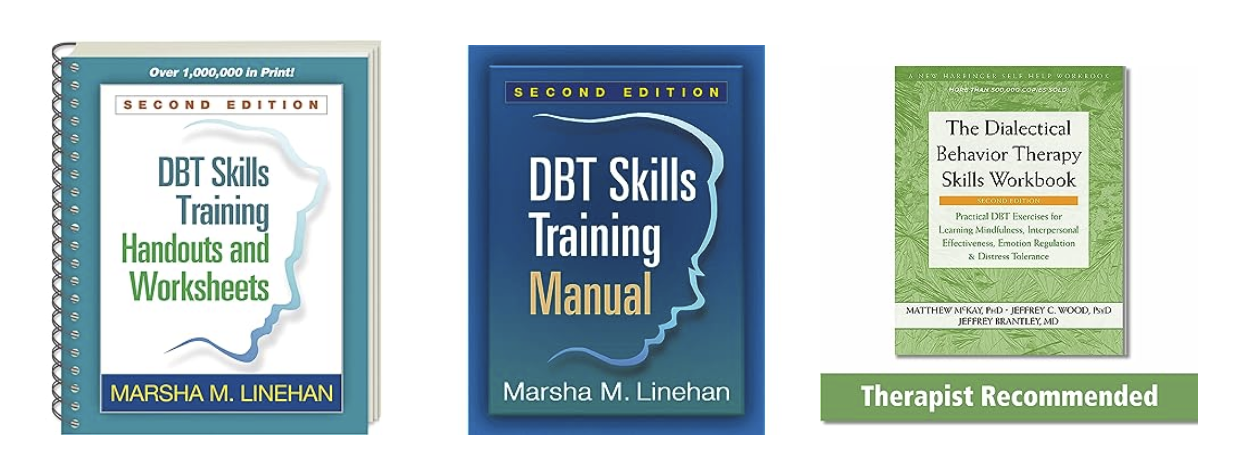
- DBT Skills Training Handouts and Worksheets, Marsha M. Linehan
- DBT Skills Training Manual, Marsha M. Linehan
- The Dialectical Behaviour Therapy Skills Workbook
When I finally started DBT, I met my lead practitioner, and underwent a year-long course of intensive DBT training, which consisted of 1 hour of individual in-person DBT therapy, and 2 hours of group virtual skills training per week.
Throughout my year in therapy, I crafted a guide to the core skills that underlie all of DBT: DBT Mindfulness Skills.
My guide is only a few pounds/dollars, and goes beyond the basic clinical point of view, offering you a personalised guide enriched by real-life examples from my own journey with DBT and the core skills.
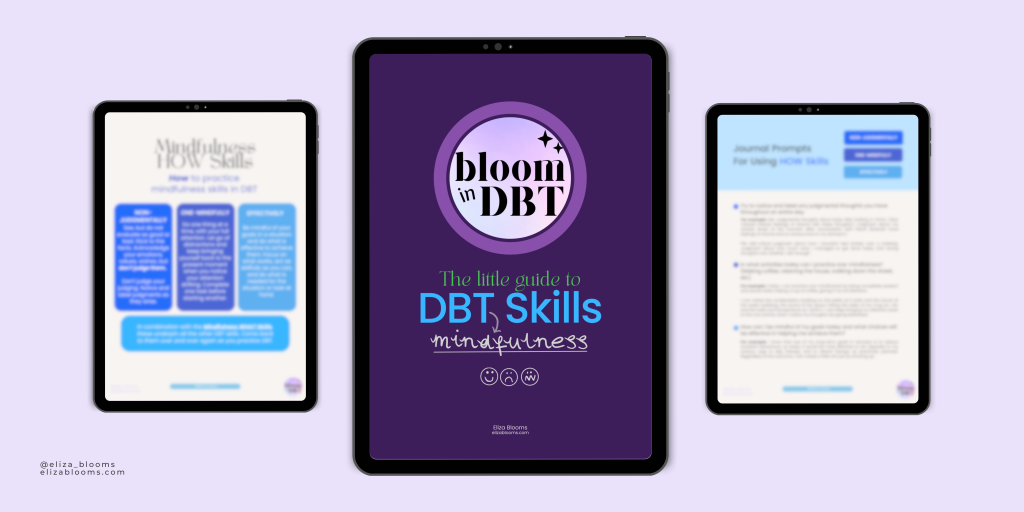
Available for instant download today.
Final Thoughts
Navigating the process of accessing DBT treatment in the UK can be challenging, but with persistence, advocacy, and informed decision-making, individuals can overcome barriers and access the support they need.
Whether through the NHS or private healthcare providers, DBT offers hope and healing for those grappling with emotional dysregulation and related difficulties.
By understanding the available options, seeking support from healthcare professionals, and advocating for timely access to treatment, individuals can embark on a journey towards emotional well-being and recovery.


I did DBT for nearly 2 years and it was great! It changed my life, shame I no longer fit the criteria to go back.
LikeLiked by 1 person